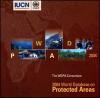
2003 World database on protected areas
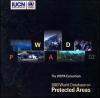
2003
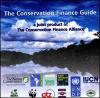
The Conservation Finance Guide presents a host of potential financing opportunities for nature conservation in general, with a special focus on protected area management. Many of these finance mechanisms rely on a "market-based" approach, valuing and marketing the goods and services that a protected area generates in support of local livelihoods and the broader economy.
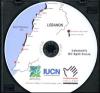
The film depicts the environmentally-disastrous oil slick caused by Israels bombing of the Jiyyeh power plant in south Lebanon on July 13 and 15, 2006. It shows how the prevailing currents and winds carried the oil slick north, polluting more than 150 km of Lebanese shoreline and releasing about 15,000 tones of toxic fuel into the Mediterranean.
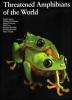
Amphibians are facing an extinction crisis, but getting to the facts has been difficult. Threatened Amphibians of the World is a visual journey through the first-ever comprehensive assessment of the conservation status of the world's 6,000 known species of frogs, toads, salamanders, and caecilians. All 1,900 species known to be threatened with extinction are covered, including a description of threats to each species and an evaluation of conservation measures in place or needed.
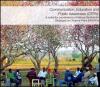
Communication, Education and Public Awareness (CEPA) are important instruments for conservation and sustainable use of biodiversity. CEPA provides the link from science and ecology to peoples social and economic reality. It supplies the oil for the implementation of the Convention on Biological Diversity and deals with the processes that motivate and mobilize individual and collective action.

La publicación "Prácticas ancestrales y derecho de aguas: de la tensión a la coexistencia", es el resultado de un proyecto de investigación dirigido por el Centro de Derecho Ambiental de UICN en colaboración con la Comisión de Derecho Ambiental. Esto proyecto tuvo tiene por objeto documentar algunas de las prácticas locales más significativas en materia de aguas en cuatro países de América Latina: Colombia, Ecuador, Guatemala y Paraguay.
The Convention on Migratory Species (CMS) currently includes three species of chondrichthyan fishes on its Appendices, in recognition of their unfavourable conservation status and need for concerted international conservation measures. The primary purpose of this study was to prepare a database of migratory chondrichthyan fishes (the sharks, skates, rays and chimaeras) and to use it to identify potential species that would benefit from a CMS listing.
Some of the most important decisions in wildlife management in Africa revolve around elephants. Where elephant densities increase the impact of elephants on their habitats and other species may also increase. Depending on local values and/or the land-use objectives, this impact is often seen as undesirable. Information about attempts to control wild populations of elephants is generally not readily accessible to the relevant managers and conservation authorities in Africa.