
Global change : coastal vulnerability and habitat monitoring
1993
Pernetta, John |
Le objectif de cette publication est de fournir des orientations concernant la manière de mesurer limpact du changement climatique sur la biodiversité marine des aires protégées, et les moyens permettant daméliorer la planification en vue datténuer les impacts à venir.
This publication aims to give some guidance on how to measure the impact of climate change on the marine biodiversity of protected areas and how to improve planning for the mitigation of future impact. It also summarizes the most important threats to and effects on Mediterranean marine biodiversity that have been observed to date and outlines the many uncertainties that still exist in understanding ecological responses to climate change.
Learn about traditional methods of agricultural production and water management of the Quechua indigenous communities located at the foot of Chimborazo volcano. Some examples include seed conservation and management, slow-forming terraces, tilling the soil with yokes and hoes, intercropping, among others. Also, water management practices like the zig-zag furrow irrigation, a pre- Hispanic technology that facilitates the uniform irrigation of agricultural lands.
Learn about traditional practices related to the indigenous knowledge of healing time, including the performance of rituals for the seasonal cycles and the shamanistic management of the seasonal supply of wildlife of the Noyuya, Uitoto, Andoque, Yucana, Matapi and Muinane ethnic groups that live in the Corregimiento of Araracuara, in the Colombian Amazon.
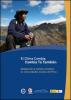
Learn about two places in Peru where communities are using traditional knowledge to adapt to climate change. The campesino communities in the Huasta District, who are developing management practices , such as terracing, irrigation canals, water reservoirs, and the management of puquiales with special emphasis on reforestation techniques using quenual trees (polylepis) for water harvesting.
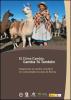
Learn about the use of traditional knowledge in two places in Bolivia. The communities in the Chiquitano forest in Santa Cruz, where the sustainable management of communal chacras and the production of oil extracted from the Babassu palm represent an agricultural alternative in dry climates with seasonal changes. Also the community of Chita in Salar de Uyuni, Potosí, where the cultivation of quinoa represents an alternative in hostile climate conditions.