La Méditerranée : un environnement marin côtier en mutation selon les scénarios sur l'évolution du climat
2012
Protected areas play a major role in reducing climate changing carbon dioxide emissions in the atmosphere. Fifteen percent of the world's terrestrial carbon stock - 312 gigatonnes - are stored in protected areas around the world. Protected areas also serve as natural buffers against climate impacts and other disasters, providing space for floodwaters to disperse, stabilizing soil against landslides and blocking storm surges.
This facilitators guide for the Promoting Local Innovations (PLI) workshop has been developed to provide conservation and development practitioners working with coastal communities with an interactive and participatory tool that they can use to promote local innovations for climate change adaptation.
The purpose of the current report is to provide baseline information to the project staff and partners, to facilitate subsequent working steps, such as stakeholder consultations, climate risk and vulnerability assessments, and the prioritisation of adaptation options. The report has been compiled based on accessible secondary data. In depth stakeholders consultations and firsthand data collection were not undertaken as part of the report preparation.
Protected areas play a major role in reducing climate changing carbon dioxide emissions in the atmosphere. Fifteen percent of the world's terrestrial carbon stock - 312 gigatonnes - are stored in protected areas around the world. Protected areas also serve as natural buffers against climate impacts and other disasters, providing space for floodwaters to disperse, stabilizing soil against landslides and blocking storm surges.
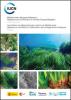
Ce document est un rapport technique relatif à létat de la question dans le bassin méditerranéen. Il décrit les spécificités de la mer Méditerranée et le phénomène du changement climatique observé à léchelle de cette région. Il présente ensuite les caractéristiques des cinq espèces de magnoliophytes présentes dans ses eaux.
This publication is dedicated to the topic of natural World Heritage. It explores how these outstanding sites can function as the flagships of protected areas and thereby support biodiversity conservation as well as human well-being. Statements of young people from around the world who participated in the International Youth Forum Go4BioDiv, held in parallel to the CBD-COP 10 in Nagoya, Japan, in October 2010, illustrate the threats to the treasures of our planet.