Implementing sustainable bioenergy production : a compilation of tools and approaches

2008
Keam, S. |
McCormick, Nadine |
Biodiversity plays an important role in the day-to-day life of a hotel. From the food in the restaurant and wood in furniture and fittings, to the amenities in the spa, the products of biodiversity are everywhere inside hotels. Outside, plants and animals make a hotels public areas and gardens attractive for guests, while beyond the hotel gate, national parks, green spaces, coasts and natural habitats provide guests with opportunities for recreation and enjoyment.

A partir del análisis de diversas experiencias locales en el manejo de agua y biodiversidad, este manual busca mostrar una propuesta integral para ampliar las capacidades de quienes se relacionan con la gestión de los recursos hídricos, en los distintos niveles.

Biodiversity plays an important role in the day-to-day life of a hotel. From the food in the restaurant and wood in furniture and fittings, to the amenities in the spa, the products of biodiversity are everywhere inside hotels. Outside, plants and animals make a hotel's public areas and gardens attractive for guests, while beyond the hotel gate, national parks, green spaces, coasts and natural habitats provide guests with opportunities for recreation and enjoyment.
Groundwater is the earth's largest accessible store of fresh water. The volume is almost 100 times that of surface water. In recent decades use of groundwater has grown exponentially. Over 2 billion people depend on it for their daily supply. Not only have population increases and economic growth laid claim to an ever larger share of groundwater, but the quality of the resource is also increasingly under strain.

This publication provides an overview of the worlds shared water resources and insights for managing these resources. Using case studies from around the world, it describes the benefits to be gained from cooperation and the challenges of constructing legal frameworks, institutions, management processes and financing and partnership strategies to govern transboundary waters equitably and sustainably.
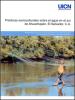
Este estudio reconstruye, a partir de la historia oral, el proceso de transformación de las costumbres relacionadas con los diferentes usos que se le dan al agua. Para ellos se han entrevistado a personas de la zona, quienes han brindado amablemente datos, recuerdos e historias. De ahí su valor histórico natural.

Análisis de las razones del por qué quienes se dedican al desarrollo, no pueden ignorar que muchas poblaciones pobres dependen de los recursos naturales. La publicación presta particular atención al potencial de la conservación para contribuir activamente con el desarrollo sustentable a largo plazo y con la reducción de la pobreza.