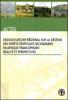
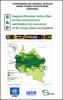
This report brings together a broad range of new and existing information on 2,358 plant and animal species of the Albertine Rift (AR) region of East and Central Africa. A collaborative project assessed the climate change vulnerability of all known Albertine Rift mammals, birds, reptiles, amphibians and fish, as well as a range of plants, whilst simultaneously gathering detailed information on their use by humans.
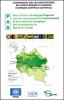
In 2011, the Jane Goodall Institute (JGI) convened conservation partners to develop a conservation action plan for great apes in eastern Democratic Republic of Congo (DRC), with financial support from the Arcus Foundation. The main goal of this initiative was to identify critical threats to gorillas, chimpanzees and their habitats in the landscape, and to develop conservation strategies to address these threats.
Le but de la nouvelle stratégie est dassurer la protection à long terme des bonobos partout dans leur aire de répartition par la mise en oeuvre dactions permettant de réduire, et si possible déliminer les menaces directes et les facteurs sous-jacents causant le déclin des populations.
The new strategy aims to ensure the long-term protection of bonobos across their range through the implementation of conservation actions designed to reduce, and if possible eliminate, the direct threats and contributing factors that are causing bonobo populations to decline. Given the extremely difficult context (institutional, security, accessibility), particular effort was made to ensure that the choices of strategies and actions were pragmatic and realistic.
This booklet describes some of the plants present in and around Lake Tanganyika that can affect its environment and biodiversity. There are many such plants and there will be more, but this small volume is a starting handbook to invasive plant recognition, understanding and management. It contains a selection of species that can are known to be invasive in other situations and some that have already begun to show that tendency in Lake Tanganyika and/or its catchment.
The objective of the study is to enhance knowledge of contemporary elephant bushmeat market dynamics, patterns and trends in north-eastern DRC and determine the impact of elephant meat trade on the Okapi Faunal Reserve (OFR) population.
L'objectif global de l'étude est d'améliorer les connaissances de la dynamique actuelle et les tendances du marché de la viande d'éléphant dans les pays d'Afrique centrale en procédant à une étude de l'impact du commerce de la viande d'éléphant. Les résultats visent à créer une série de variables de données de référence qu'on pourra ensuite suivre afin d'évaluer les tendances du commerce de la viande et de l'ivoire au niveau du site.