
Livelihoods and resource management survey on the Mekong between LouangPhabang and Vientiane cities, Lao PDR
2013
Singer, Uwe |


In this publication, several case studies from the African continent illustrate the "nature-based solutions" approach and offer hope that effective solutions to the climate change dilemma can be addressed through local responses that also achieve mutual benefits for biodiversity conservation and community resilience.
Small farmers produce much of the developing world's food, yet they are generally much poorer than the rest of the population in these countries.

East Asia abounds in water, with wetlands in every corner, and the culture of wetlands is entrenched in daily life. The epitome of this is the rice paddy, but there are other traditions as well. The hope is that this document can increase the discourse on the unique cultural characteristics of each country and region as well as the similarities unifying East Asian cultures.
The Responsive Forest Governance Initiative (RFGI) is an Africa-wide environmental-governance research and training program focusing on enabling responsive and accountable decentralization to strengthen the representation of forest-based rural people in local-government decision making.

This report explains the ecology and social profile of coastal systems in Kenya, Mozambique and Tanzania in order to contribute to the development of effective strategies to enhance the resilience of marine and coastal systems in the Western Indian Ocean. Special consideration is given to the effects and consequences of climate change and economic development.

This paper provides an analytical framework for assessing the impact of international trade in wildlife and wildlife products on conservation and local livelihoods. It also explores the role of factors related to particular species and their habitat, governance settings, the supply-chain structure, and the nature of the end market.
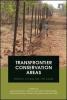
The introduction of transfrontier conservation areas (TFCAs) in Southern Africa was based on an enchanting promise, with cross-border collaboration and ecotourism becoming vehicles of this promise. This book focuses on the forgotten people displaced by, or living on the edge of, protected wildlife areas.