
2011 IUCN annual report : solutions, naturally
2012
Our knowledge of species diversity within the inland waters of Indo-Burma is poorly documented and the region remains relatively under-surveyed. In this volume we aim to address this knowledge gap and present the most up-to-date information on the distribution and extinction risk of freshwater species in all inland water ecosystems across the Indo-Burma hotspot, and where appropriate, the reasons behind their declining status.
The purpose of the current report is to provide baseline information to the project staff and partners, to facilitate subsequent working steps, such as stakeholder consultations, climate risk and vulnerability assessments, and the prioritisation of adaptation options. The report has been compiled based on accessible secondary data. In depth stakeholders consultations and firsthand data collection were not undertaken as part of the report preparation.

This publication is intended to raise awareness amongst all stakeholders and galvanise wider action to boost drylands conservation and development. The book is designed to inform and remind us of the beauty of dryland biodiversity and its intrinsic and instrumental value. It demonstrates the mutual dependency of dryland biological and cultural diversity.
This is a report of a range of activities happened in the Pacific during the Year of Biodiversity (PYoB) 2010. It contains the PYoB in pictures, SPREP's work in 2010, initiatives and knowledge products launched during the year.
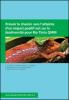
Cette presentation est destinee a fournir les donnees theoriques, pratiques et previsionnelles du resultat potentiel a long-terme dun programme de conservation de la biodiversite mene sur un site minier. La mine dilmenite de Rio Tinto au sud-est de Madagascar, exploitee par QIT Madagascar Minerals (Rio Tinto QMM), a ete choisie comme site pilote pour tester les outils destines a atteindre et a quantifier limpact positif net (IPN) sur la biodiversite.
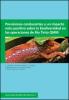
Esta publicacion tiene como objetivo proporcionar los datos, las teorias y las previsions para el posible resultado a largo plazo de un programa de conservacion de la biodiversidad en un sitio minero. La mina de ilmenita de Rio Tinto en el sudeste de Madagascar, operada por QIT Madagascar Minerals (Rio Tinto QMM), ha sido seleccionada como sitio piloto para comprobar las herramientas disenadas para lograr y cuantificar el impacto neto positivo (INP) sobre la biodiversidad.
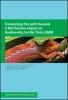
This publication aims to provide the data, theory, and predictions for the potential long-term outcome of a biodiversity conservation programme at a mining site. The Rio Tinto ilmenite mine in southeastern Madagascar, run by QIT Madagascar Minerals (Rio Tinto QMM), has been chosen as a pilot site to test the tools designed to achieve and quantify net positive impact (NPI) on biodiversity.
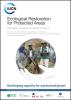
This publication provides guidance for terrestrial, marine, and freshwater protected area managers at both system and site levels on the restoration of natural and associated values of protected areas.
Toutefois, le nombre d'aires marines protégées (AMPs) étant bien inférieur à celui des aires protégées terrestres, le manque d'expérience complexifie le processus d'application des catégories aux AMP. L'application des catégories aux AMP a souvent été inexacte et contradictoire.